
Block a datacenter IP, and you've stopped one machine. Block a mobile IP, and you might have locked out a few hundred real people sharing it. That's the quirk mobile proxies are built on.
Carriers pool thousands of phones behind a handful of IPs, rotating intermittently, so a single mobile address is rarely one user, and platforms know it. That plausible deniability is why websites are far more cautious about blocking mobile traffic the way they will a datacenter IP. It’s also why mobile proxies sit at the top of the price list.
In a previous post, we broke down how the proxy types compare. This time, we're narrowing the focus to what a mobile proxy actually is, and when paying the premium is worth it.
What Is a Mobile Proxy?
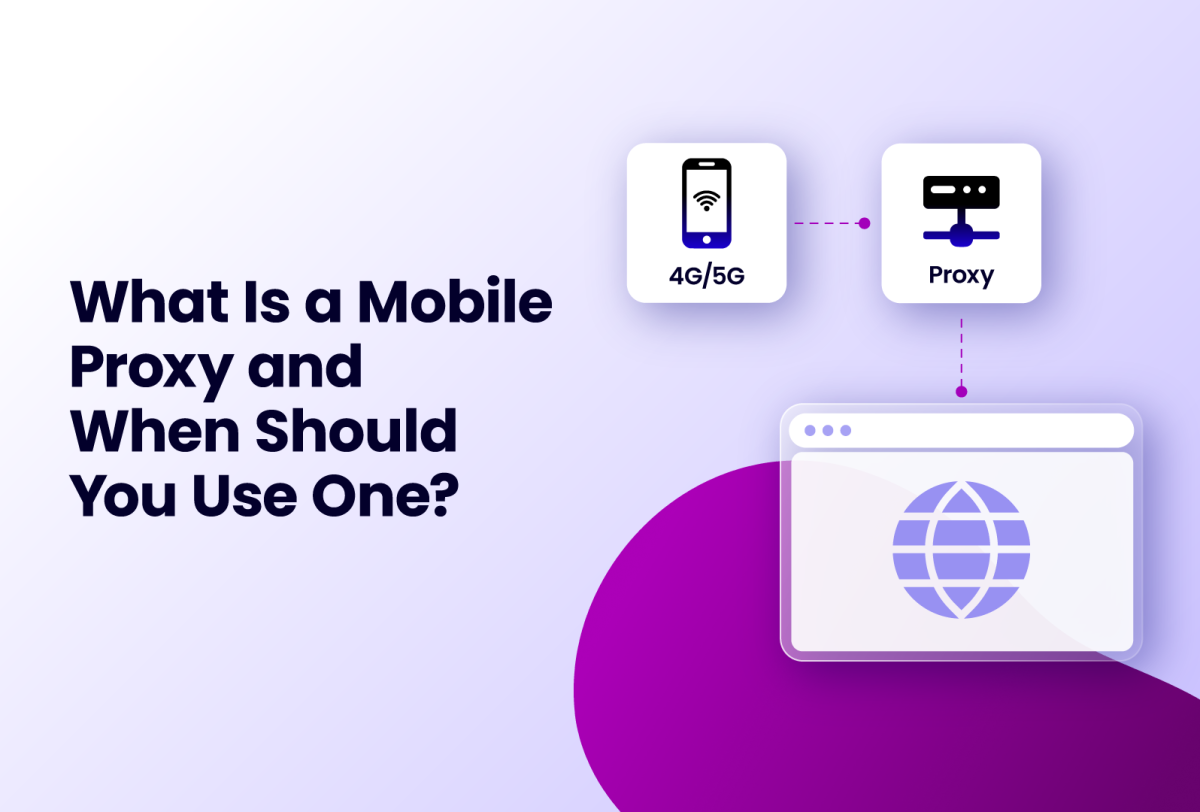
A mobile proxy routes your internet traffic through an IP address assigned by a mobile carrier rather than a home ISP or datacenter.
In practical terms, when you use a mobile proxy, the website or app you’re visiting sees traffic that looks like it is coming from a real phone on a cellular network. That’s a big deal because mobile traffic is often treated as inherently more natural and less suspicious than traffic from data centres or shared office networks.
Compared with other proxy types:
- Datacenter proxies are fast and affordable, but easier to detect because they come from server environments.
- Residential proxies come from real home connections and offer strong anonymity.
- ISP proxies blend server performance with residential-looking trust.
- Mobile proxies come from mobile carrier networks and are especially useful when your target environment is mobile-first.
This is why mobile proxies are often described as having high disguise. They look more like a real user on a phone, which makes them valuable for social media workflows where platform trust matters.
When Using a Mobile Proxy Makes Sense
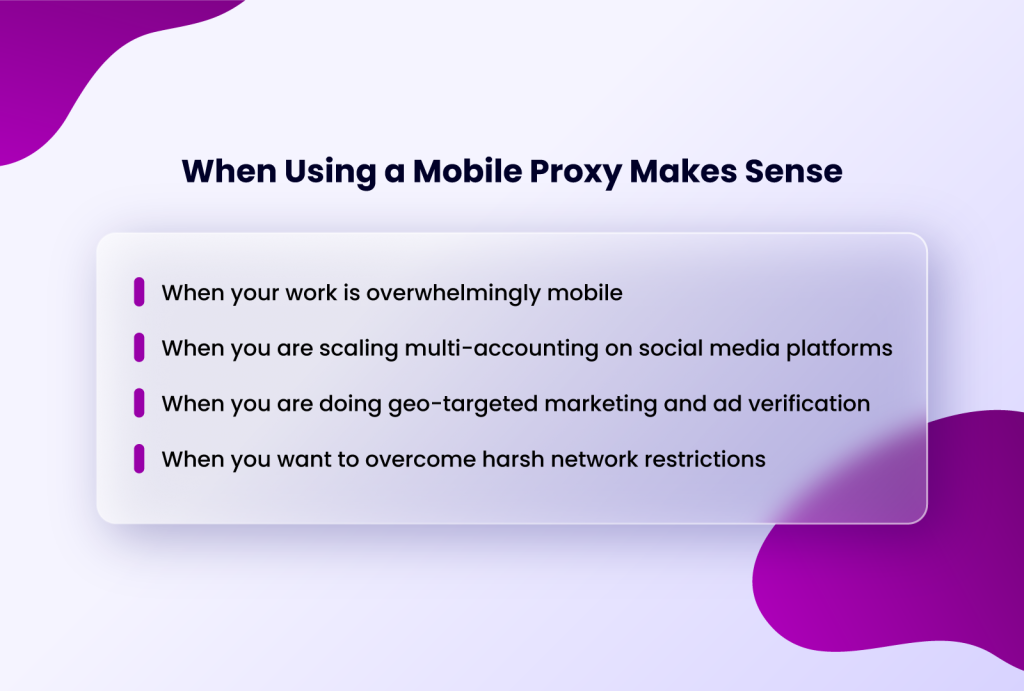
A mobile proxy is not the default choice for every social media task. In fact, for many workflows, static residential or ISP proxies are more practical. Incogniton’s own use-case guidance points this out: social media and multiple account management usually fit best with static residential or ISP proxies.
So when should you use mobile proxies instead?
1. When your work is overwhelmingly mobile
If your workflow is tied to mobile-first platforms, app-based interactions, or audience segments that primarily use smartphones, a mobile proxy can better reflect the environment your accounts should appear to belong to.
For instance, if you’re comparing how social campaigns perform by region, device context, or carrier-like behaviour, mobile proxies can help you see the platform the way a real phone user might. They are also useful if you are testing social ad experiences on mobile feeds and verifying how stories, reels, or short-form content appear in specific regions.
2. When you are scaling multi-accounting on social media platforms.
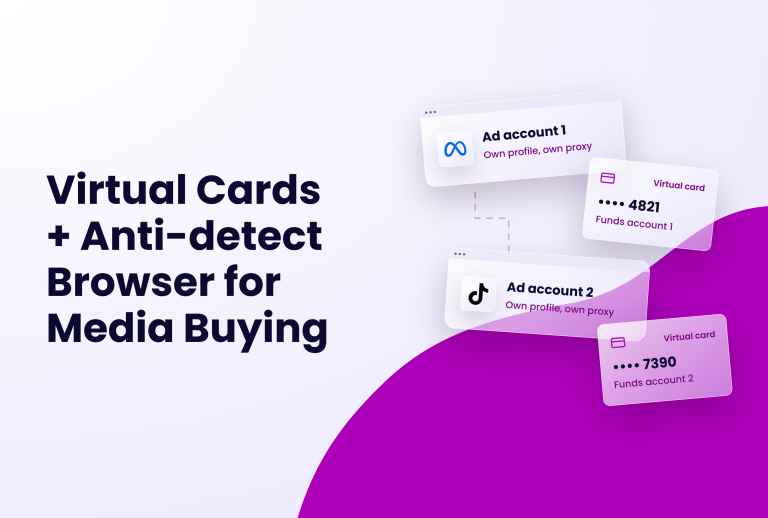
If you are an agency managing ten, twenty, or fifty client accounts, logging into them from a single physical office location is a recipe for disaster. Platforms will recognise that multiple profiles are being accessed from the same hardware and IP configuration, flagging it as bot-like, commercial-scale behaviour. By assigning a unique, dedicated mobile proxy to each profile via an anti-detect browser, you ensure that every account appears as an independent, mobile-first user.
As we explored in our previous post regarding Instagram IP bans, a single bad IP or a suspicious fingerprint can lead to temporary blocks on liking, commenting, or following. Mobile proxies drastically reduce the likelihood of these blocks because your actions mirror those of a real user browsing on a smartphone.
3. When you are doing geo-targeted marketing and ad verification
Many ad platforms show different content or prices depending on the visitor's location. If you need to verify how your client’s ads appear in a specific region, mobile proxies provide the most accurate localisation. Unlike datacenter proxies, which often show "server-like" behaviour, mobile proxies provide the exact metadata that a local resident sees.
4. When you want to overcome harsh network restrictions
Whether you are working from a corporate network, a restricted school environment, or a country with heavy digital censorship, the network firewall often blocks common social domains. Mobile proxies bypass these local restrictions entirely by tunnelling your connection through a cellular network far from the local firewall’s control.
When You Probably Shouldn’t Use a Mobile Proxy
Because mobile proxies are premium infrastructure, using them when a simpler proxy works is often wasteful.
You may not need a mobile proxy if you are:
- managing standard social media accounts from a stable desktop workflow
- doing routine content scheduling
- operating from a long-term, consistent profile with limited movement
- running general browser tasks where anonymity matters, but mobile disguise doesn’t
For these cases, a static residential proxy or ISP proxy is usually a better fit. They’re strong choices for social media, account management, streaming, and eCommerce, and they tend to be more cost-effective.
Think of it this way:
- Residential/ISP = best balance for most social media management
- Mobile = best when mobile authenticity is the priority
- Datacenter = best when speed or cost matters more than disguise
Mobile Proxies vs Residential Proxies for Social Media
This is where many users get stuck, because both can look legitimate. The difference is not just technical; it’s behavioural.
- Residential proxies: These come from real home internet connections. They’re widely used because they offer strong anonymity and are suitable for most account-based tasks.
- Mobile proxies: These come from mobile carrier IPs. They can appear even more natural in some social contexts because mobile networks are associated with everyday phone activity.
So which is better?
- Choose residential if you want reliable, high-anonymity browsing for most account management workflows.
- Choose mobile if the platform or campaign specifically benefits from appearing as mobile traffic.
In other words, residential proxies are usually the better all-around tool, while mobile proxies are the more specialised one.
READ MORE HERE: Mobile Proxies vs. Residential Proxies: Which One Should You Use? - Incogniton
The Cost Question: Why Mobile Proxies Are More Expensive
Mobile proxies cost more because the infrastructure behind them is more complex and more valuable. Carrier IPs are harder to source and often more in demand. That premium usually reflects:
- stronger disguise
- better mobile authenticity
- higher trust in some platforms
- more specialized routing
So the real question is not “Are mobile proxies expensive?” It’s “Is the use case valuable enough to justify the premium?”
If you’re managing routine social posting, probably not. If you’re protecting high-value accounts or validating mobile campaigns at scale, often yes.
Conclusion
A mobile proxy is best understood as a specialised trust tool, not a universal upgrade. For most everyday social media management, static residential or ISP proxies are usually the better choice.
The smartest workflow is not “use the strongest proxy.” It’s choosing the proxy type that matches the platform, the account, and the risk. With Incogniton, that choice becomes easier to manage at scale.